◈LEAFSTAGEEvery leaf tells a story.
HERBARIUM ARCHIVEFOLIO // SPECIES-12

Botanical Library

Carefully verified botanical profiles for twelve essential houseplant taxa. Rigorous observational recommendations without artificial calendar watering rules or unverified folk remedies.

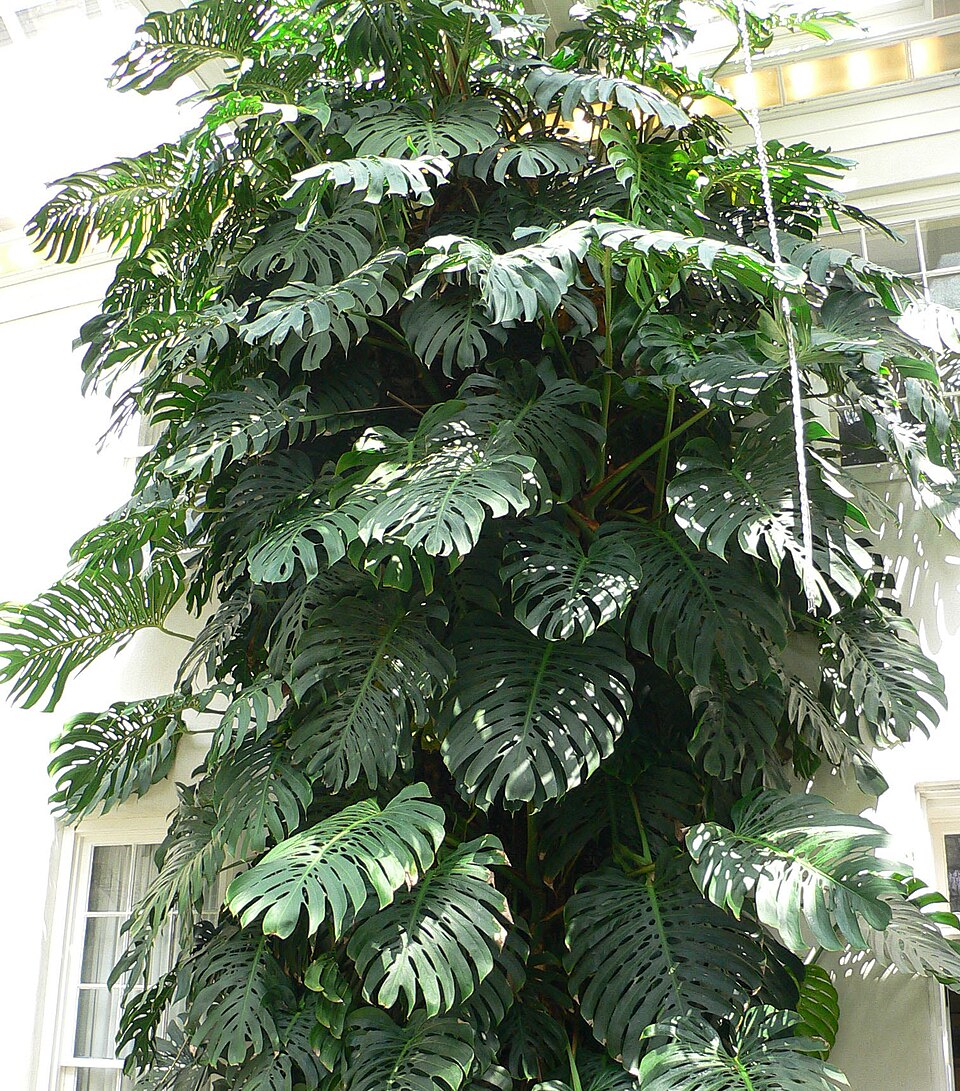
Monstera deliciosa
PLATE 01Araceae

Monstera deliciosa

Swiss Cheese Plant / Split-leaf Philodendron

Geographic Origin: Tropical rainforests of southern Mexico to Panama
Light & Photons

Bright, filtered indirect light. Tolerates gentle early morning sun, but intense midday rays cause leaf scorching.

Substrate & Hydration

Allow the upper 4-5 cm of substrate to dry out before deep watering. Never keep permanently soaked.

Root Drainage & Pot

Requires substantial aeration; mix coarse perlite, pine bark, and peat to allow quick water transit.

Thermal Range

18°C – 28°C (Min 12°C)

Warning Signs & Distress

  • ⚠ Soft black spots with yellow halos (root distress / anaerobic bacteria)
  • ⚠ Pale yellowing starting on lower leaves (overly persistent moisture)

Observational Tips

  • ◈ Gently inspect aerial roots; guide them into the pot substrate to supply additional structural strength.
  • ◈ Wipe dust from the broad foliage monthly with a damp cloth to maximize photon capture.
TOXIC TO COMPANION ANIMALS

Contains insoluble calcium oxalate crystals; ingestion can cause oral pain, drooling, and mild swelling. Source: ASPCA Animal Poison Control.
Reference: ASPCA Animal Poison Control Database. Not a substitute for professional veterinary clinical diagnosis.

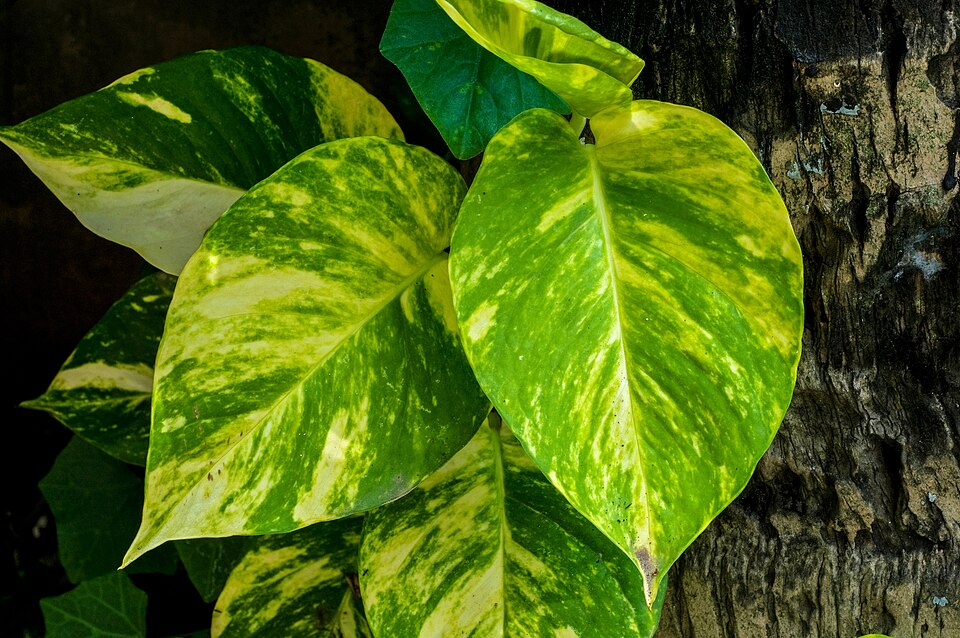
Epipremnum aureum

Golden Pothos / Devil's Ivy

Geographic Origin: Mo'orea, Society Islands (French Polynesia)
Light & Photons

Adaptable from medium ambient light to bright indirect light. Intense variegation requires luminous exposure.

Substrate & Hydration

Check substrate depth; water thoroughly once the top 50% feels crumbly and dry to the touch.

Root Drainage & Pot

Standard loose potting soil with 25% perlite or pumice to prevent water stagnation in the root ball.

Thermal Range

16°C – 26°C (Min 10°C)

Warning Signs & Distress

  • ⚠ Sudden yellowing of multiple leaves close to soil base (overwatering check needed)
  • ⚠ Black mushy stems at soil level

Observational Tips

  • ◈ Leaves will droop slightly as early thirst signal before becoming crisp.
  • ◈ Prune vine tips above a leaf node in spring to stimulate branching.
TOXIC TO COMPANION ANIMALS

Insoluble calcium oxalates irritating to oral mucous membranes in dogs and cats. Source: ASPCA.
Reference: ASPCA Animal Poison Control Database. Not a substitute for professional veterinary clinical diagnosis.

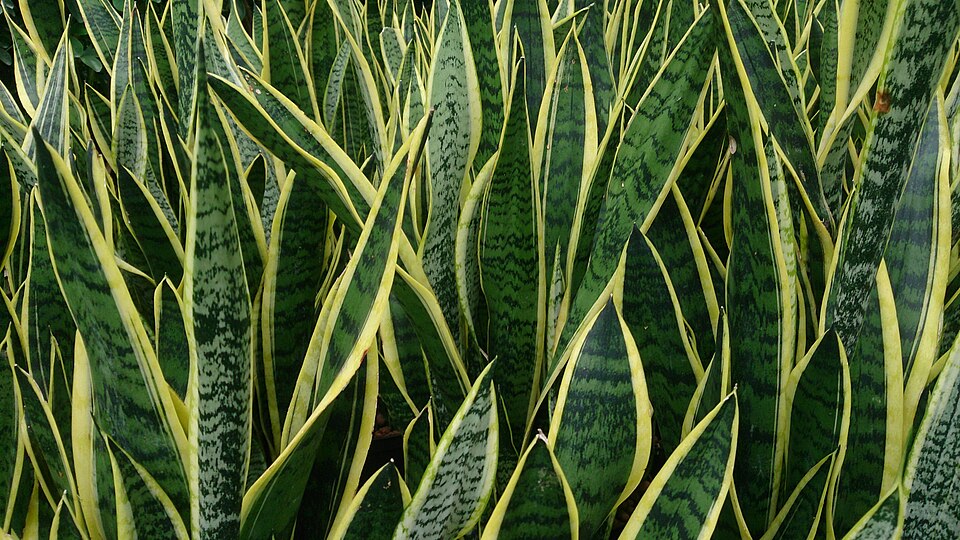
Dracaena trifasciata
PLATE 03Asparagaceae

Dracaena trifasciata

Snake Plant / Mother-in-Law's Tongue

Geographic Origin: Tropical West Africa (Nigeria to Congo)
Light & Photons

Extremely resilient; thrives in bright light (even gentle direct sun) down to dim corridor ambient lighting.

Substrate & Hydration

Succulent water storage regime: substrate must dry completely through the entire pot between waterings.

Root Drainage & Pot

Coarse gritty mix (50% inorganic like perlite, pumice, or gravel) with wide drainage holes.

Thermal Range

15°C – 32°C (Min 8°C)

Warning Signs & Distress

  • ⚠ Translucent, mushy brown bases on upright swords
  • ⚠ Foul odor coming from the root system

Observational Tips

  • ◈ Wrinkled vertical ridges along the swords signify extended drought.
  • ◈ Water around the pot perimeter, never straight into the central rosette crown.
TOXIC TO COMPANION ANIMALS

Contains saponins, which may cause nausea, vomiting, and diarrhea if chewed by pets. Source: ASPCA.
Reference: ASPCA Animal Poison Control Database. Not a substitute for professional veterinary clinical diagnosis.

Ficus elastica
PLATE 04Moraceae

Ficus elastica

Rubber Tree / Rubber Fig

Geographic Origin: Northeast India, Myanmar, Malaysia, and Indonesia
Light & Photons

Bright indirect light to moderate direct sunlight (east-facing window is ideal).

Substrate & Hydration

Water deeply when the top 50-70% of the potting medium feels dry. Reduce frequency markedly in autumn/winter.

Root Drainage & Pot

A rich, well-aerated potting mix containing coco coir, bark, and perlite. Never leave pot sitting in excess saucer runoff.

Thermal Range

16°C – 27°C (Avoid cold drafts below 13°C)

Warning Signs & Distress

  • ⚠ Yellowing lower leaves combined with damp dense soil
  • ⚠ Crisp dry leaf drop due to bone-dry roots or draft

Observational Tips

  • ◈ The emerging red stipule sheath protects each new leaf and sheds naturally when unfurled.
  • ◈ Stems contain milky latex sap; wear gloves if pruning if you have sensitive skin.
TOXIC TO COMPANION ANIMALS

Latex sap contains ficin and ficusin, irritating to mouth and digestive tract. Source: ASPCA.
Reference: ASPCA Animal Poison Control Database. Not a substitute for professional veterinary clinical diagnosis.

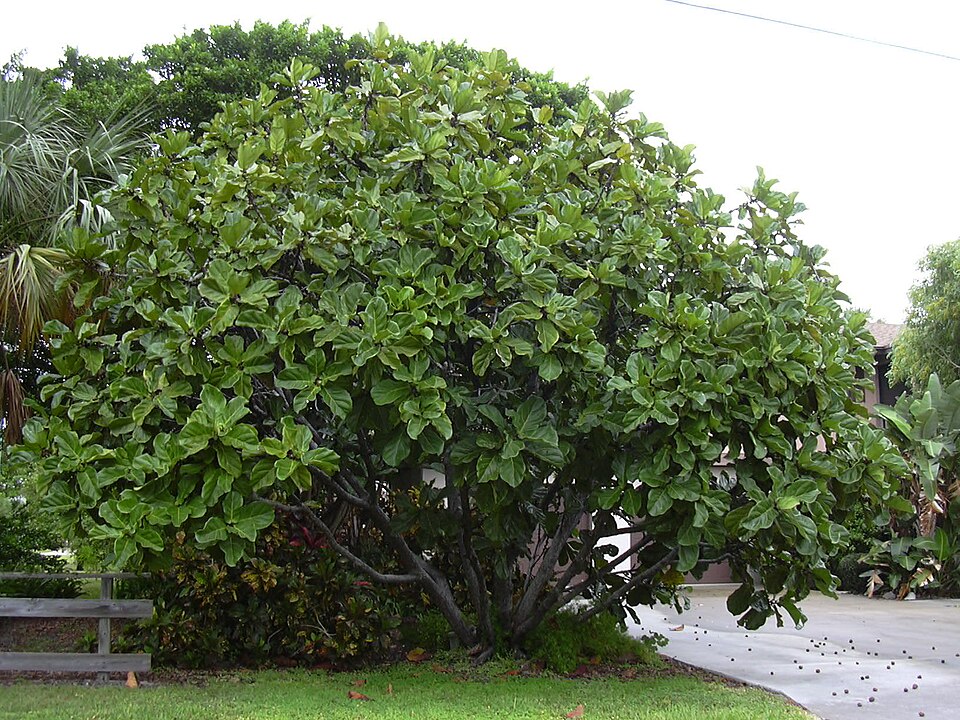
Ficus lyrata
PLATE 05Moraceae

Ficus lyrata

Fiddle Leaf Fig

Geographic Origin: Tropical lowland rainforests of Western Africa
Light & Photons

Needs generous bright filtered light. Insufficient illumination is the most common cause of decline.

Substrate & Hydration

Consistent moderate moisture; allow top 3-4 cm to dry before replenishing. Avoid both parched soil and standing water.

Root Drainage & Pot

Essential free-draining substrate. Porous terracotta pots help regulate root zone moisture.

Thermal Range

18°C – 26°C (Sensitive to air conditioning and draft vents)

Warning Signs & Distress

  • ⚠ Dark brown necrotic patches starting from leaf centers or edges
  • ⚠ Sudden detachment of healthy-looking green leaves

Observational Tips

  • ◈ Rotate the pot a quarter-turn each fortnight so the central stem grows straight toward light.
  • ◈ Edema freckles on young leaves usually fade as the leaf matures and thickens.
TOXIC TO COMPANION ANIMALS

Contains irritating ficin and proteolytic enzymes; mild to moderate toxicity for pets. Source: ASPCA.
Reference: ASPCA Animal Poison Control Database. Not a substitute for professional veterinary clinical diagnosis.

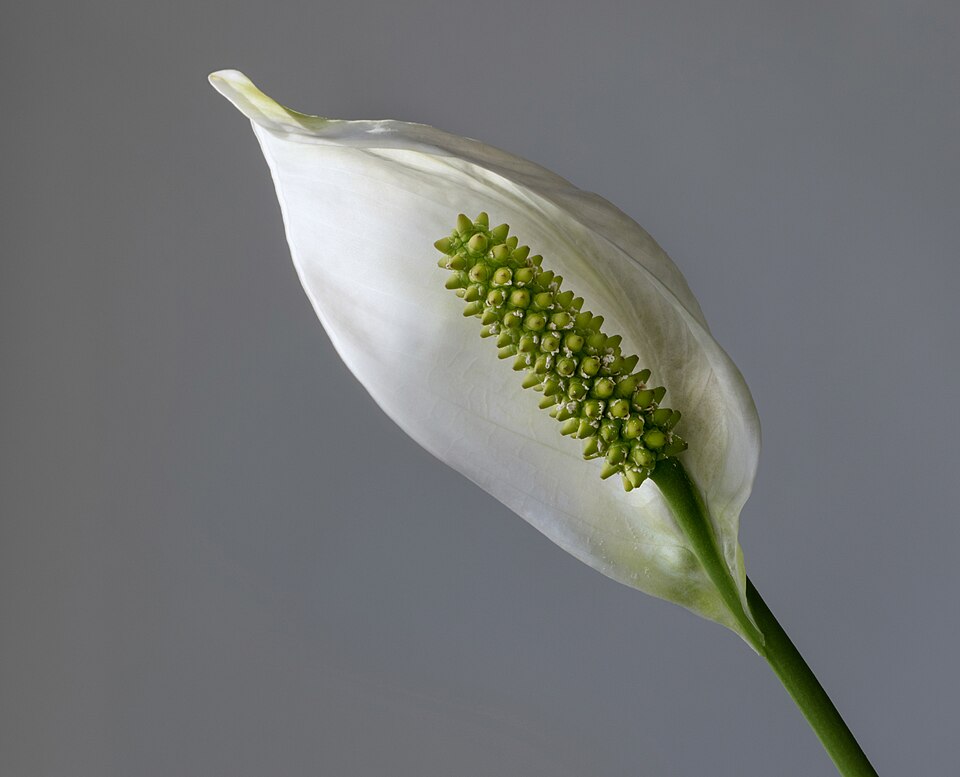
Spathiphyllum wallisii
PLATE 06Araceae

Spathiphyllum wallisii

Peace Lily

Geographic Origin: Tropical rainforests of Central and South America (Colombia, Venezuela)
Light & Photons

Low to medium indirect light. Scorches rapidly if exposed to direct sunbeams.

Substrate & Hydration

Prefers evenly moist substrate. The foliage dramatically droops when thirsty, rebounding within hours of watering.

Root Drainage & Pot

Moisture-retentive yet breathable mix; include peat/coco coir balanced with perlite.

Thermal Range

18°C – 25°C (Min 14°C)

Warning Signs & Distress

  • ⚠ Yellowing combined with permanently collapsed stems despite wet soil (root decay)
  • ⚠ Blackened rotting root crown

Observational Tips

  • ◈ Use rainwater or filtered water if tip burn is chronic.
  • ◈ Wipe white pollen grains off foliage if aesthetic cleanliness is desired.
TOXIC TO COMPANION ANIMALS

Insoluble calcium oxalate crystals create mouth burning and vomiting. Note: not a true Liliaceae lily. Source: ASPCA.
Reference: ASPCA Animal Poison Control Database. Not a substitute for professional veterinary clinical diagnosis.

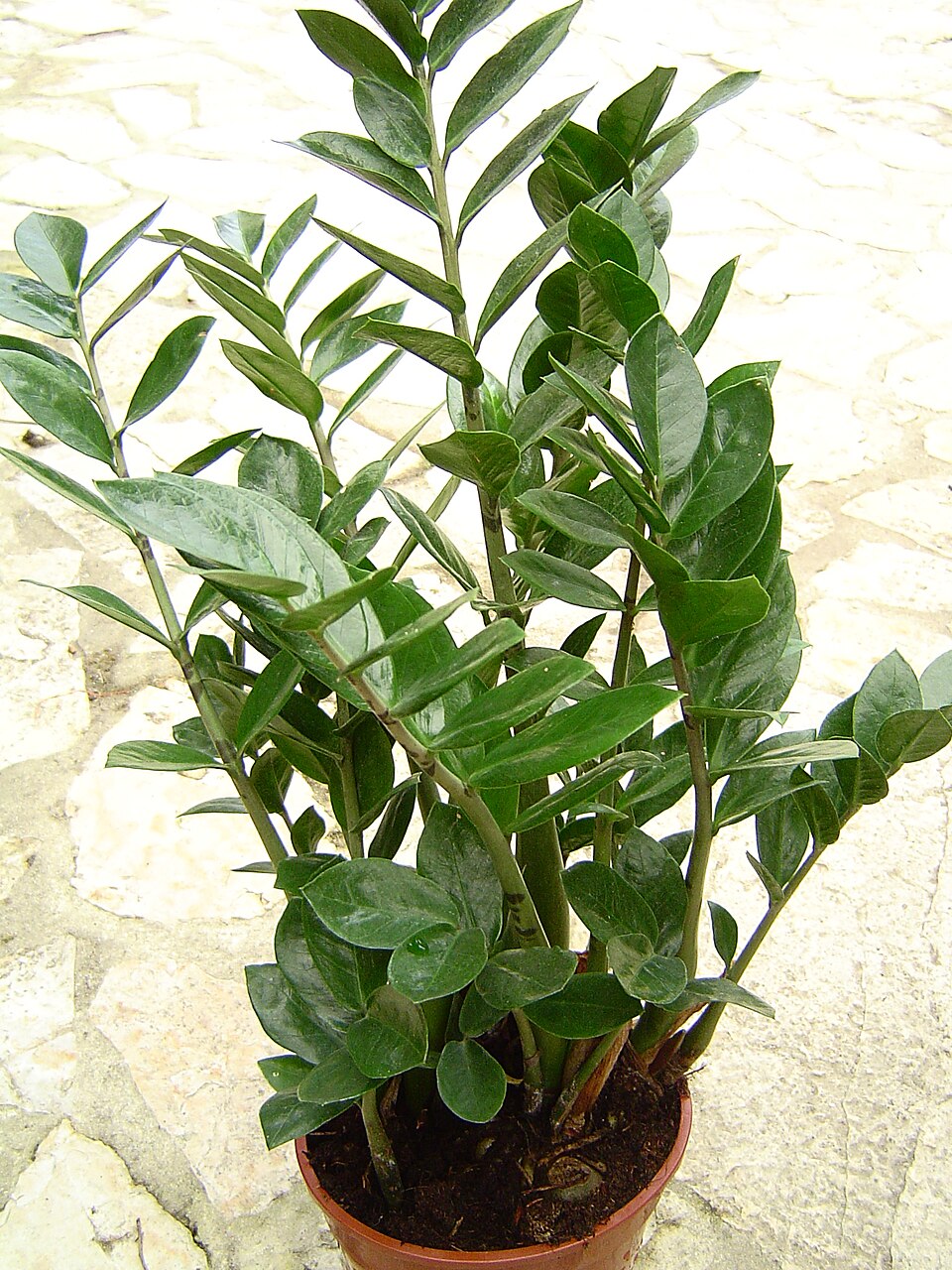
Zamioculcas zamiifolia
PLATE 07Araceae

Zamioculcas zamiifolia

ZZ Plant / Zanzibar Gem

Geographic Origin: Eastern Africa (Kenya to KwaZulu-Natal, South Africa)
Light & Photons

Incredible tolerance: from deep shade to bright filtered windows. Avoid intense scorching sun.

Substrate & Hydration

Stores water in potato-like underground rhizomes; let substrate dry 100% before adding water.

Root Drainage & Pot

Cactus and succulent potting mix or standard soil amended with 40% pumice/perlite.

Thermal Range

15°C – 28°C (Do not expose to frost or sub-8°C environments)

Warning Signs & Distress

  • ⚠ Yellow translucent leaflets dropping easily at a light touch
  • ⚠ Soft, wrinkled, hollow stems near soil line

Observational Tips

  • ◈ It is better to forget watering for a month than to water twice in a damp week.
  • ◈ New growth stems emerge pale chartreuse before maturing to deep emerald.
TOXIC TO COMPANION ANIMALS

Contains calcium oxalate crystals; keep out of reach of curious dogs and cats. Source: ASPCA.
Reference: ASPCA Animal Poison Control Database. Not a substitute for professional veterinary clinical diagnosis.

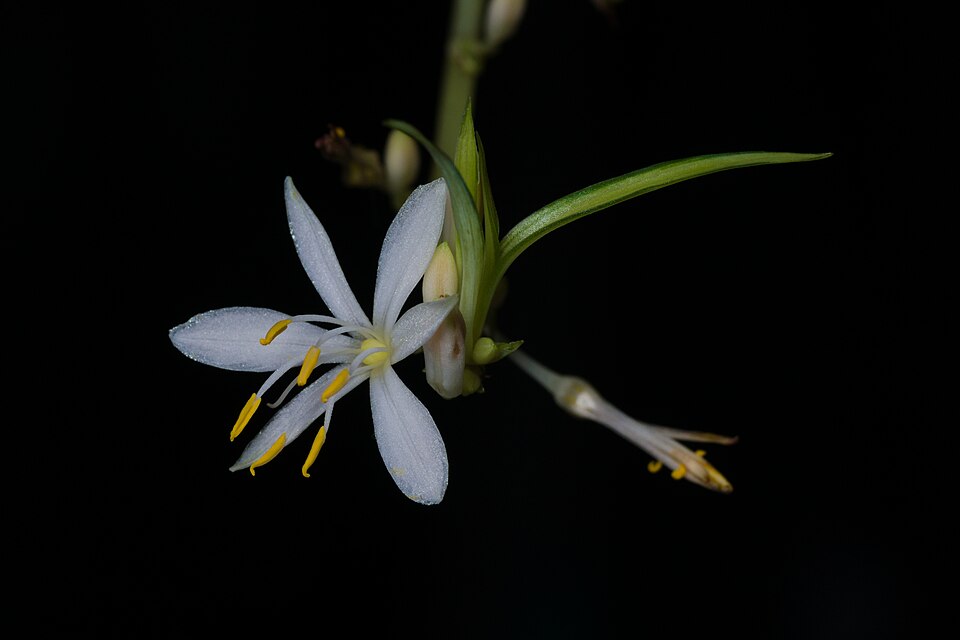
Chlorophytum comosum
PLATE 08Asparagaceae

Chlorophytum comosum

Spider Plant / Ribbon Plant

Geographic Origin: Tropical and Southern Africa
Light & Photons

Bright indirect light promotes strong variegation and flowering stolons. Tolerates semi-shade.

Substrate & Hydration

Thick fleshy roots hold moisture; allow the top 2-3 cm to dry out between waterings.

Root Drainage & Pot

Standard well-draining potting soil; roots grow fast and may eventually fill and crack thin plastic containers.

Thermal Range

13°C – 25°C (Tolerates down to 6°C briefly)

Warning Signs & Distress

  • ⚠ Soggy black center in the leaf clump (water trapped in the crown)
  • ⚠ Wilted dull gray foliage (prolonged drought)

Observational Tips

  • ◈ Prouces cascading spiderettes (stolons) with tiny white flowers in spring and summer.
  • ◈ Spider plant is completely non-toxic and feline-friendly, though cats may enjoy playing with the ribbons.
NON-TOXIC (SAFE)

Non-toxic to dogs and cats. Source: ASPCA Animal Poison Control Database.
Reference: ASPCA Animal Poison Control Database. Not a substitute for professional veterinary clinical diagnosis.

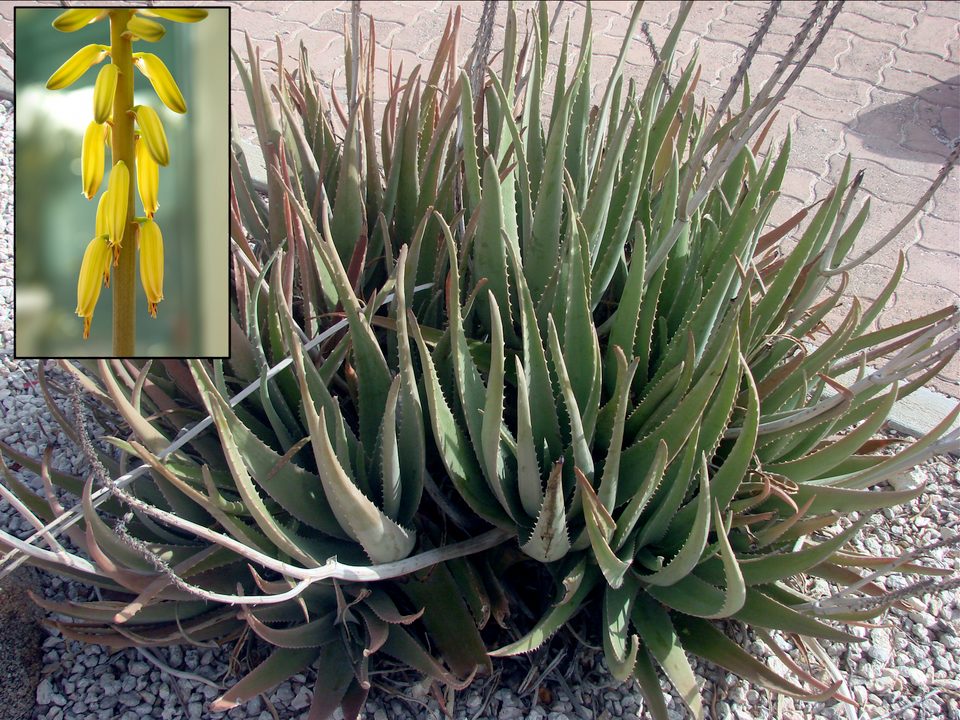
Aloe vera
PLATE 09Asphodelaceae

Aloe vera

Aloe Vera / Medicinal Aloe

Geographic Origin: Oman, Arabian Peninsula
Light & Photons

Requires abundant bright light; 4-6 hours of gentle direct sun daily maintains compact thick rosettes.

Substrate & Hydration

Deep soaking followed by complete drying of the entire soil volume. In winter, water only every few weeks.

Root Drainage & Pot

Gritty succulent mix (sand, pumice, perlite) with immediate free drainage.

Thermal Range

15°C – 30°C (Frost sensitive, protect below 5°C)

Warning Signs & Distress

  • ⚠ Mushy brown leaf bases with watery internal gel melting down
  • ⚠ Foul smelling soft crown rot

Observational Tips

  • ◈ Succulent leaves should feel firm and plump when touched gently; deflated leaves signify thirst.
  • ◈ Unpot and divide pup rosettes (offsets) when they reach one-third the parent plant's size.
TOXIC TO COMPANION ANIMALS

Aloe gel is soothing for human skin, but whole leaf ingestion (aloin) is toxic to cats and dogs causing lethargy and diarrhea. Source: ASPCA.
Reference: ASPCA Animal Poison Control Database. Not a substitute for professional veterinary clinical diagnosis.

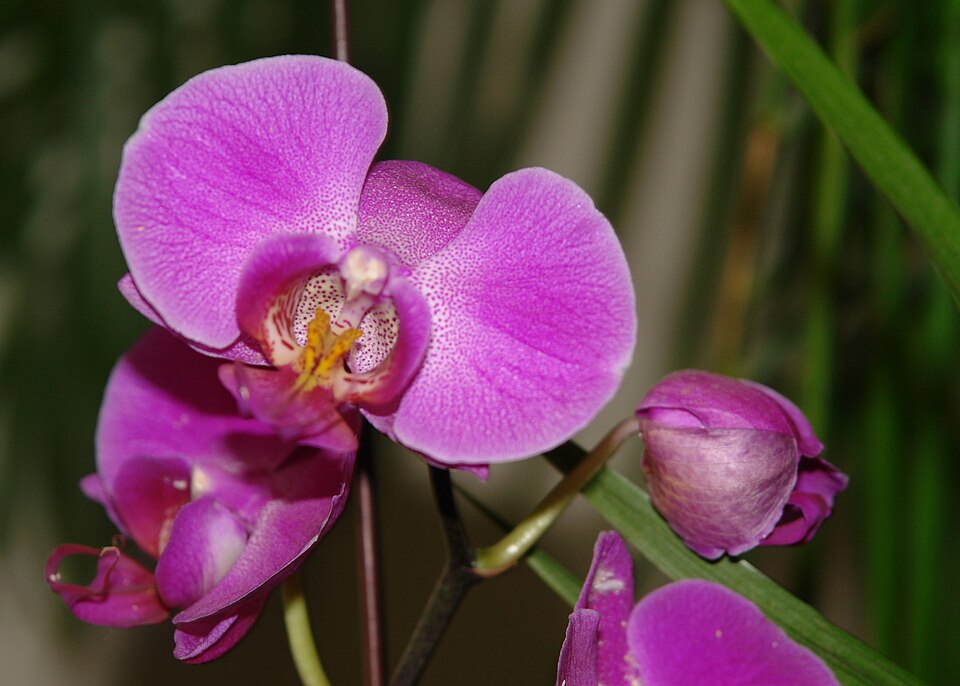
Phalaenopsis spp.
PLATE 010Orchidaceae

Phalaenopsis spp.

Moth Orchid

Geographic Origin: Tropical Asia and Australasia
Light & Photons

Medium to bright indirect light. Avoid hot direct sun which can bleach or burn delicate floral tissues.

Substrate & Hydration

Water thoroughly when the roots inside the transparent pot turn silvery-gray. When green, roots do not need water.

Root Drainage & Pot

Coarse pine bark chips or sphagnum moss; never use regular soil. Epiphytic roots need maximum air circulation.

Thermal Range

18°C – 26°C (A 4°C nighttime temperature drop in autumn stimulates flower spikes)

Warning Signs & Distress

  • ⚠ Crown rot (water accumulated in top leaf axis)
  • ⚠ Black hollow mushy roots inside the bark medium

Observational Tips

  • ◈ Silver roots = thirsty; Bright emerald green roots = well hydrated.
  • ◈ Do not cut healthy green flower stems after blooms fade; secondary flower nodes may develop.
NON-TOXIC (SAFE)

Phalaenopsis orchids are considered non-toxic to dogs and cats. Source: ASPCA Animal Poison Control Database.
Reference: ASPCA Animal Poison Control Database. Not a substitute for professional veterinary clinical diagnosis.

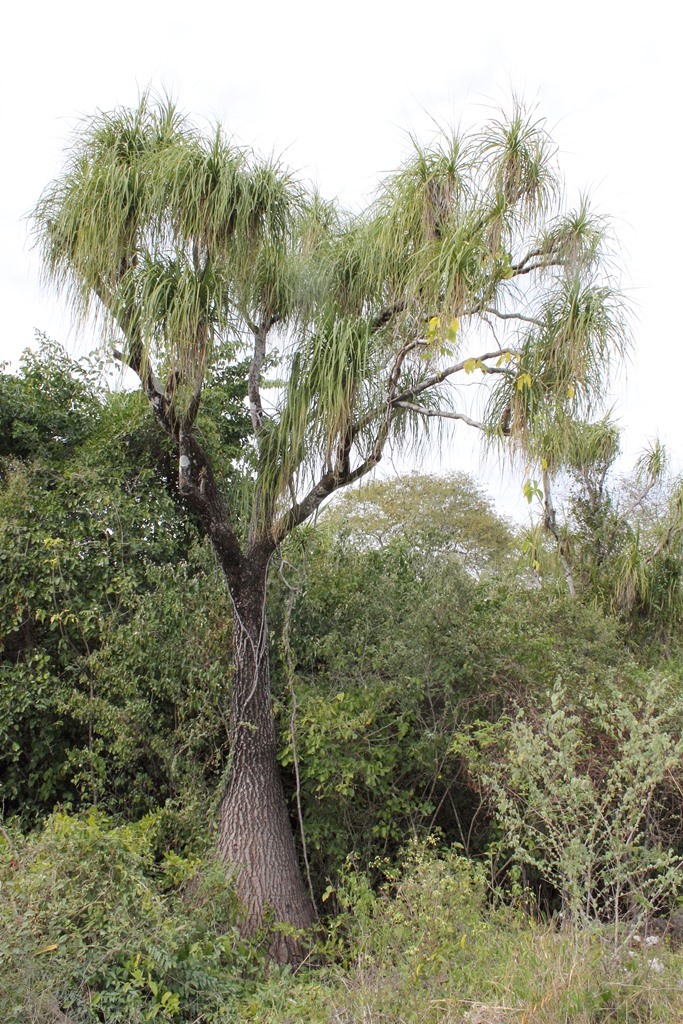
Beaucarnea recurvata
PLATE 011Asparagaceae

Beaucarnea recurvata

Ponytail Palm / Elephant's Foot

Geographic Origin: Semi-desert regions of Eastern Mexico (Veracruz, Tamaulipas)
Light & Photons

Loves bright sunshine; flourishes in south or west-facing windows. Tolerates medium light with reduced growth.

Substrate & Hydration

The bulbous caudex stores months of moisture. Let soil dry out completely between thorough soakings.

Root Drainage & Pot

Very porous succulent mixture with volcanic grit or perlite. Shallow, wide containers prevent moisture trapping.

Thermal Range

14°C – 28°C (Can endure dry winter cool down to 5°C)

Warning Signs & Distress

  • ⚠ Trunk base softening and peeling easily
  • ⚠ Entire tuft of leaves pulling out cleanly from the apex

Observational Tips

  • ◈ The swollen trunk shrinks subtly during severe drought and expands after watering.
  • ◈ Brown leaf tips can be neatly trimmed with sharp clean shears following natural curve.
NON-TOXIC (SAFE)

Non-toxic to pets according to ASPCA records. Safe for homes with cats and dogs.
Reference: ASPCA Animal Poison Control Database. Not a substitute for professional veterinary clinical diagnosis.

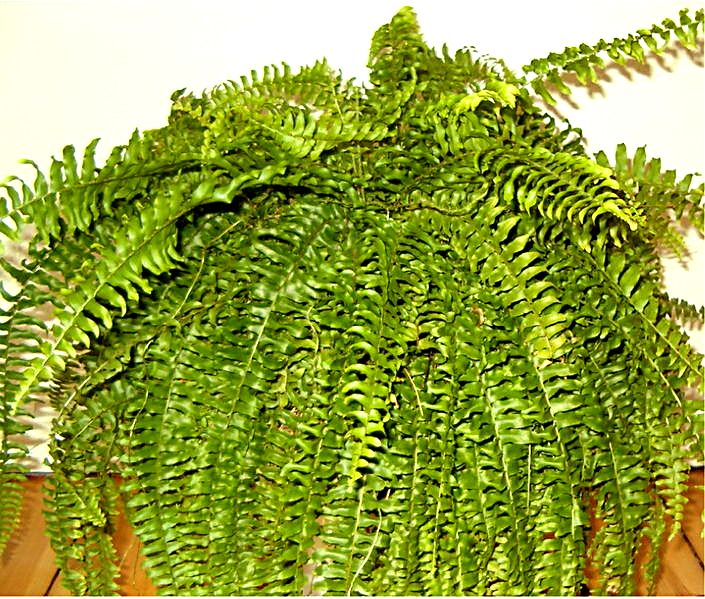
Nephrolepis exaltata
PLATE 012Lomariopsidaceae / Polypodiaceae

Nephrolepis exaltata

Boston Fern / Sword Fern

Geographic Origin: Humid tropical regions worldwide (Americas, Africa, Polynesia)
Light & Photons

Medium to bright indirect light. Direct sunlight burns the delicate frond pinnae rapidly.

Substrate & Hydration

Requires consistent background moisture; never let the root ball dry to a solid desiccated block.

Root Drainage & Pot

Rich, humic-rich potting mix with peat/coir and perlite that retains humidity while passing excess freely.

Thermal Range

16°C – 24°C (Sensitive to radiator heat and dry ambient air)

Warning Signs & Distress

  • ⚠ Fronds turning gray and brittle simultaneously across the plant
  • ⚠ Black slimy base stems under dense stagnant moisture

Observational Tips

  • ◈ Ideal for bathrooms with natural light due to higher ambient humidity.
  • ◈ Regular misting is less effective than placing the pot on a wide pebble tray filled with water.
NON-TOXIC (SAFE)

Non-toxic to cats and dogs. Source: ASPCA Animal Poison Control Database.
Reference: ASPCA Animal Poison Control Database. Not a substitute for professional veterinary clinical diagnosis.